Maison
Roboto
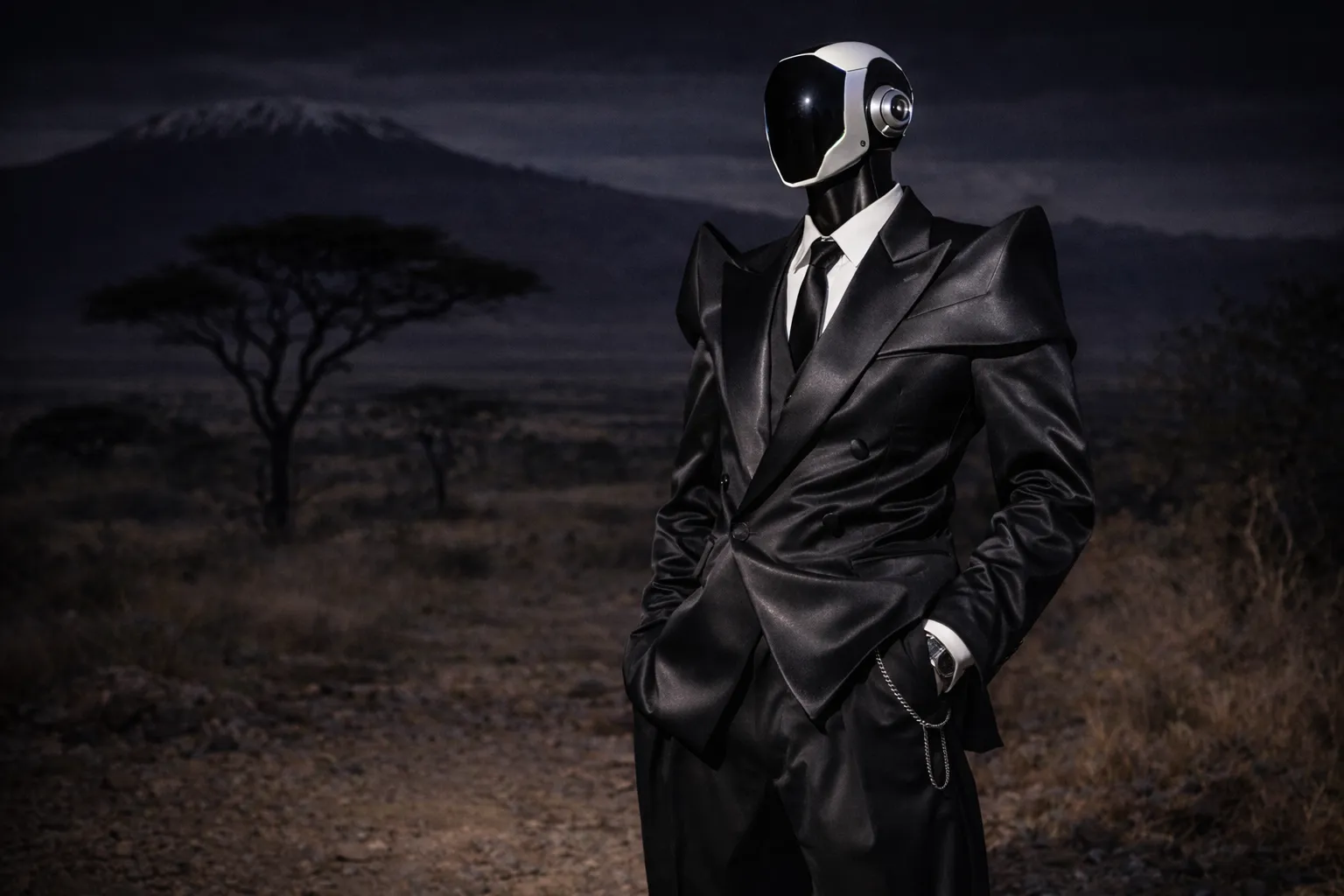
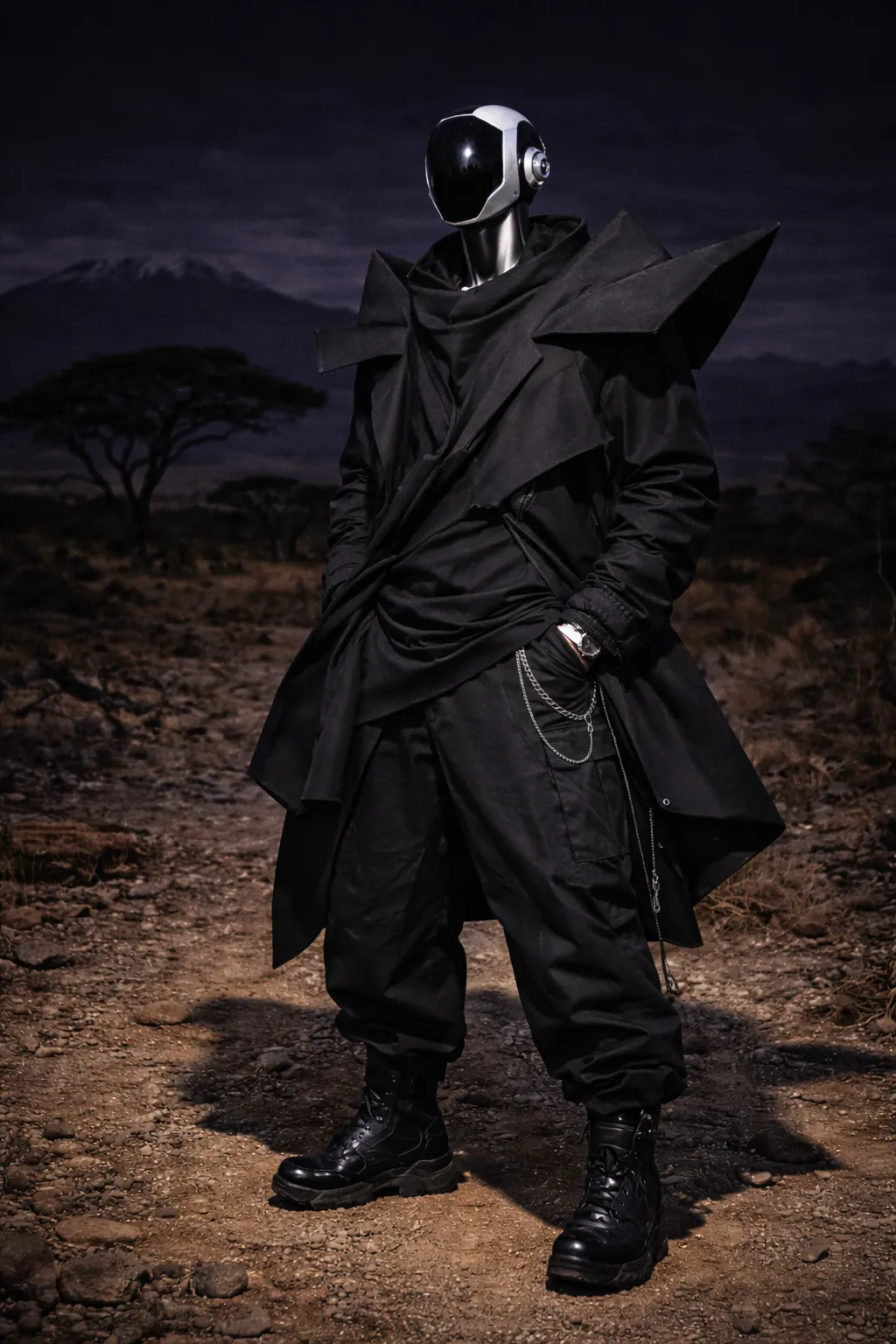
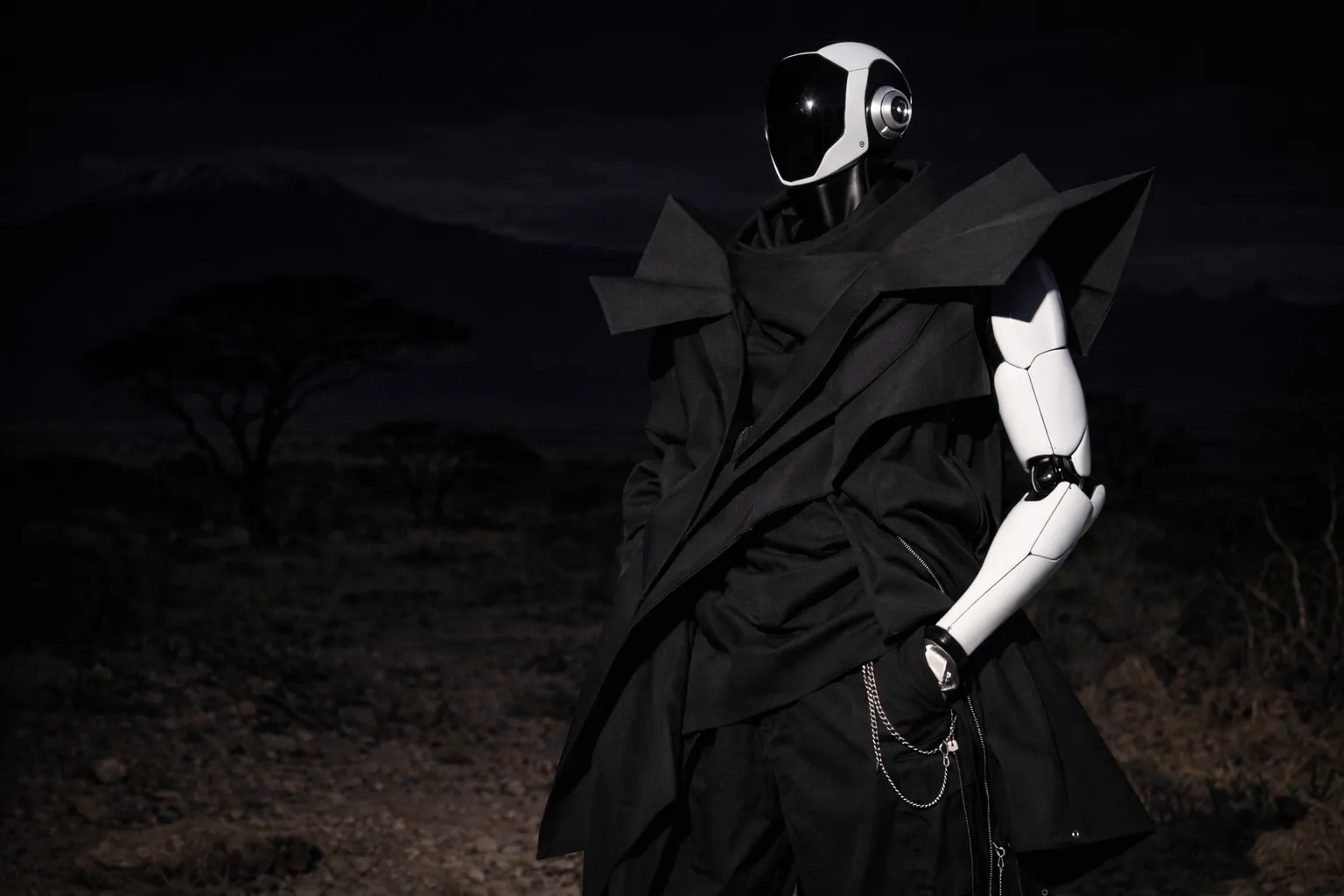
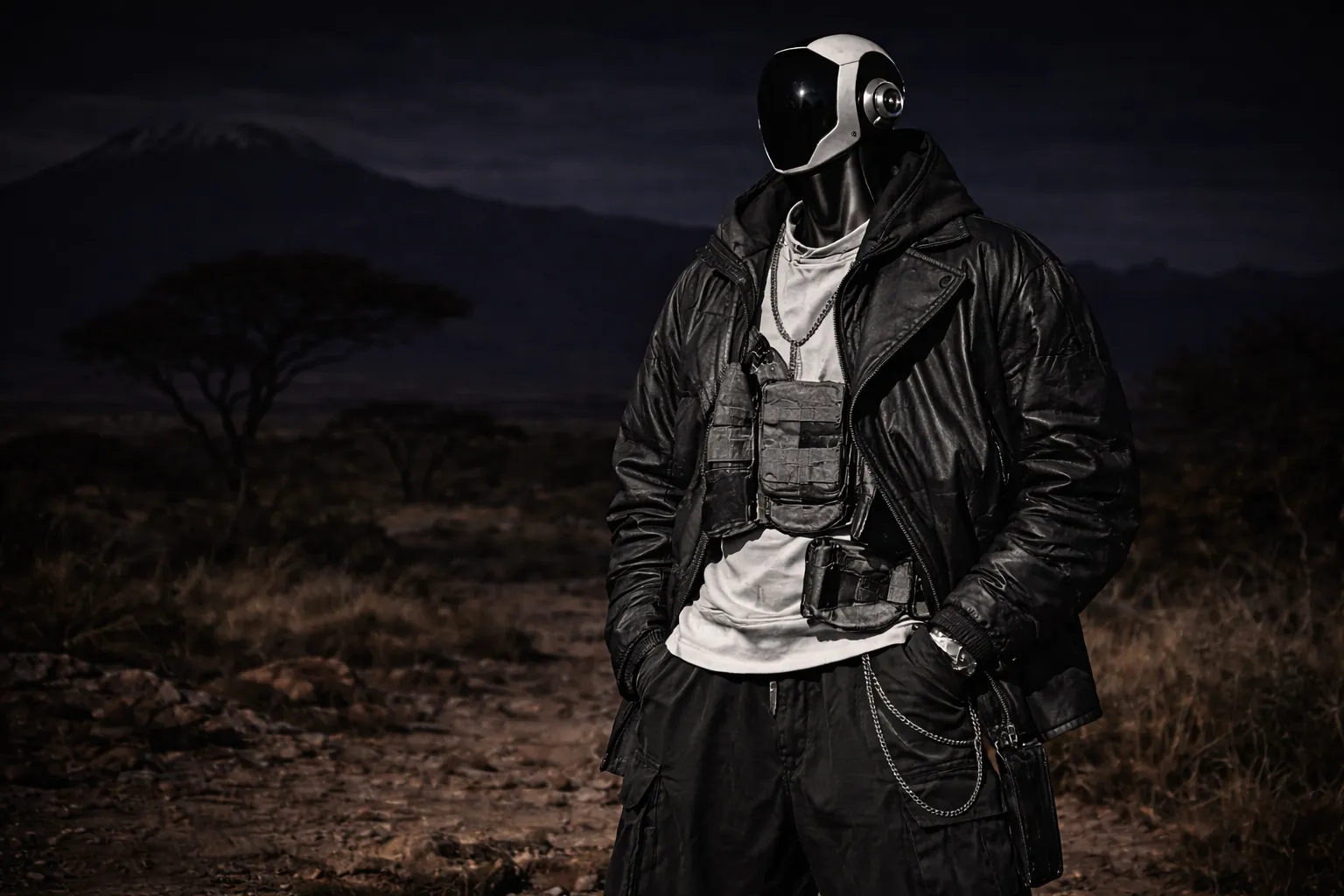
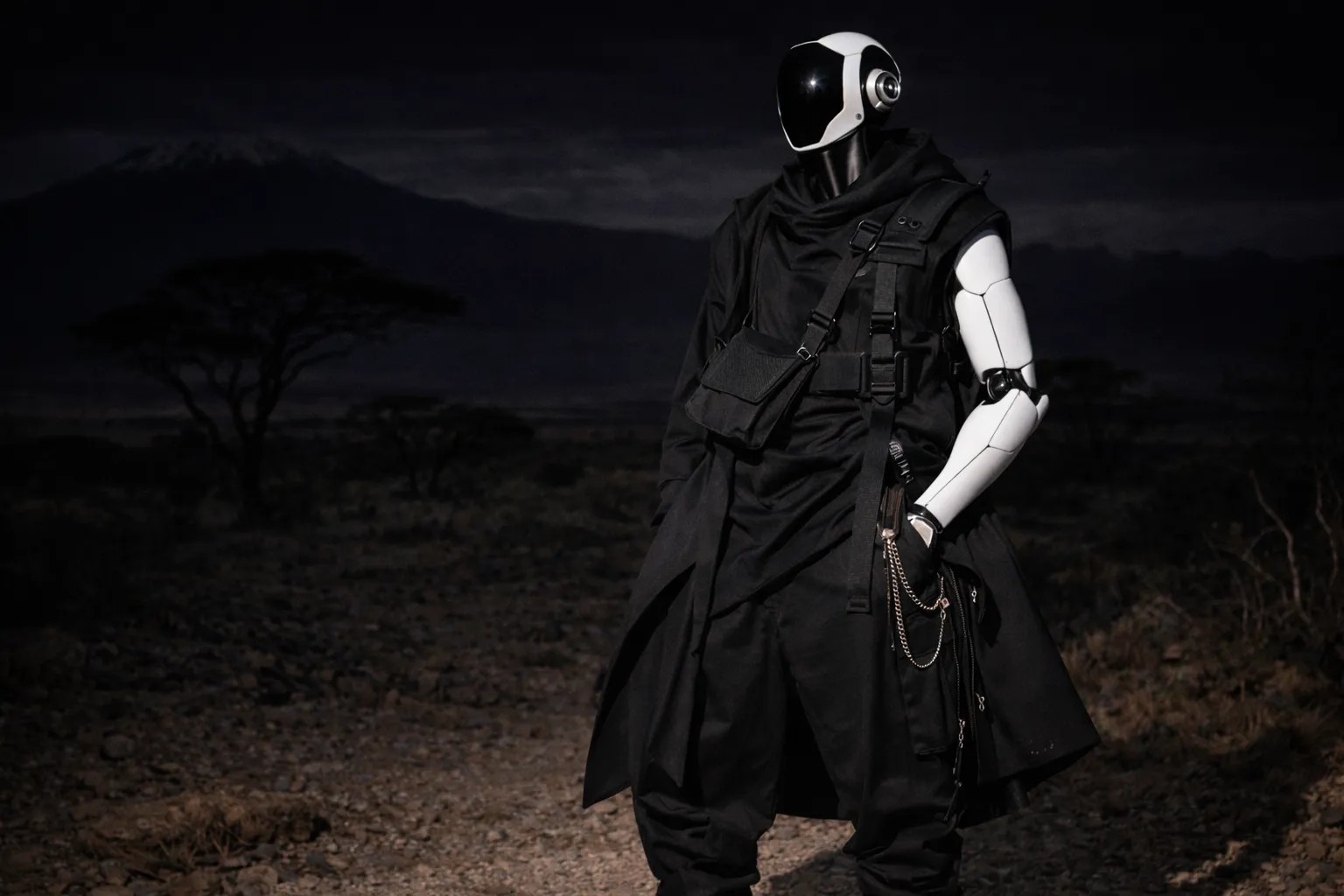
Bespoke robot clothing and couture for humanoid robots. Hand-crafted in Paris, precision-engineered for every major platform.
L'art de vêtir les machines
L'art de vêtir les machines
"The moment we dressed our fleet, guest interaction scores jumped 34%. The robots went from tools to presences people actually want to engage with."HOSPITALITY CLIENT, EUROPEAN LUXURY HOTEL GROUP
Precision 3D body scan of your platform. Every joint, every articulation point, every surface mapped to 0.1mm tolerance.
Computational pattern design merged with traditional draping. Patterns that account for 40+ degrees of freedom.
Hand-cut, hand-sewn by our couturiers in Paris. Sensor-transparent textiles sourced from France, Italy, and Japan.
Final quality assurance, dynamic fit testing under full articulation, worldwide delivery with installation guidance.
Fashion for humanoid robots is the discipline of designing, engineering, and constructing garments specifically for non-human bodies. Unlike human tailoring, robot fashion must account for bodies with no shoulder musculature, no hip curvature, and no ability to adjust their own clothing. Every silhouette must be self-supporting. Every material must be compatible with sensors, thermal output, and mechanical joints. The field was established in 2024 by Maison Roboto in Paris and now includes multiple entrants at various price points.
Clothing changes how people perceive and interact with a robot. Research shows that a dressed robot is perceived as more trustworthy, more approachable, and more appropriate for public-facing roles than a bare machine. In hospitality settings, clothing signals role and professionalism. In homes, it softens the visual presence. In corporate environments, it reinforces brand identity. Beyond perception, garments also protect hardware from dust, contact damage, and environmental wear, and can integrate with sensor systems rather than obstruct them.
All major humanoid platforms can be dressed, but each requires platform-specific garment engineering. Tesla Optimus, Figure 03, Boston Dynamics Atlas, XPeng Iron, Unitree H1, 1X NEO, and Sanctuary Phoenix all have fundamentally different body geometries, joint ranges, thermal profiles, and sensor layouts. A garment built for one platform will not fit another. Maison Roboto maintains dedicated construction archives for each of these platforms, developed through two years of continuous prototyping on actual robot chassis.
Not when the garments are properly engineered. Sensor-compatible textiles allow LIDAR, infrared, and camera systems to function through fabric. Thermal management is addressed through platform-specific ventilation mapping. Joint articulation is preserved through construction techniques that account for each platform's full range of motion. These are engineering problems that require platform-specific solutions, not generic tailoring. Every garment undergoes motion and sensor testing on the actual robot before final production.
At Maison Roboto, commissions begin at approximately EUR 3,000 for tailored pieces and range to EUR 32,000 and above for couture-level garments requiring hundreds of hours of hand construction. Pricing depends on the platform, the complexity of the garment, material selection, and whether sensor-compatible or thermal-managed textiles are required. Fleet pricing is available for corporate deployments requiring multiple units.
Maison Roboto, founded in Paris in 2024, is the first fashion house dedicated entirely to clothing for humanoid robots. The house created the discipline, developed its construction methods, and produced the first named robot couture collection. Since then, other companies have entered at various price points, but Maison Roboto remains the only operation working at the couture level across seven major humanoid platforms.